Hybrid mattresses combine the pressure-relieving feel of foam or latex with the responsive support of an innerspring coil system. This layered construction is intended to balance cushioning, stability, and airflow, making hybrid designs relevant to sleepers who want both contouring comfort and a more buoyant surface than some all-foam mattresses provide.
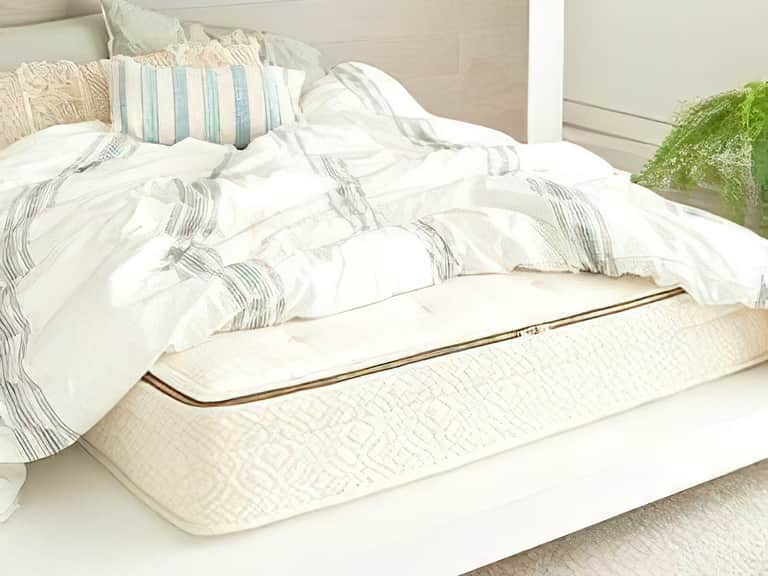
The Dream hybrid mattress brings together comfort layers and a supportive coil core to help distribute body weight and reduce pressure around areas such as the shoulders and hips. Foam or latex layers may influence how closely the surface conforms, while the coil system contributes responsive support and can help limit excessive sink.
Individually wrapped coils are a common hybrid feature because they respond separately to movement and may reduce motion transfer between sleep partners. The open spaces around coils can also support ventilation through the mattress. These characteristics are useful considerations for people who value a stable sleep surface, easier movement, or temperature regulation.
Compatibility with an adjustable bed depends on the mattress construction and the adjustable base’s specifications. Many flexible hybrid designs can articulate at the head and foot, but coil type, mattress thickness, and manufacturer guidance matter. Checking these details helps ensure that the bed can bend appropriately without compromising support or durability.
Hybrid mattresses are part of a broader bedding system that may include pillows and sheets suited to personal comfort preferences. Materials vary, including conventional foams, latex, and options described as organic mattresses. Comparing firmness, pressure relief, motion response, ventilation, and care requirements can clarify how a hybrid design fits different sleep needs.
 Mattresses
