Explore how adjustable beds, lighting, and modular furniture cooperate to enhance posture and sleep quality. This guide offers practical, non-promotional strategies to design an ergonomic bedroom that supports long-term comfort, grounded in evidence-based sleep health.
In a world where design often treats the bedroom as a stage for style rather than function, the concept of bedroom ergonomics asks a different question: How can a space adapt to our bodies and our changing routines? The answer lies in a mindful combination of adjustable sleep surfaces, thoughtful lighting, controlled acoustics, and flexible furniture that supports spinal alignment and comfortable circulation through the night and into the day.
At the heart of this approach is the idea that sleep quality is not a single variable but a tapestry of interconnected elements. A bed that can articulate head and foot sections, an adjustable base that fits your existing frame, pillows that support neutral neck alignment across angles, and lighting that guides relaxation without compromising circadian rhythms — together they create a room that moves with you. This article embraces a product-agnostic stance while referencing tangible pieces that illustrate ergonomic principles in practice.
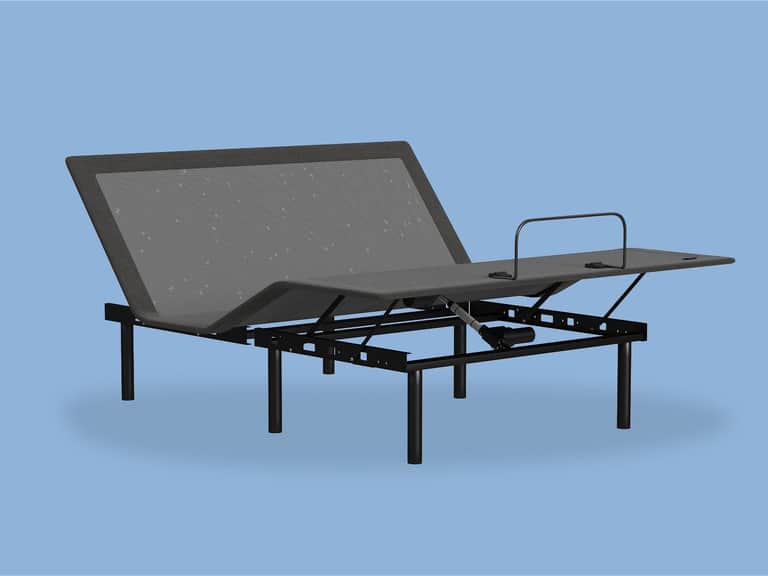
Ergonomics in the bedroom begins with posture. When you lie down, your spine should rest in a neutral alignment, from the cervical region through the lumbar curve. Adjustable bases contribute to this by allowing controlled elevation of the head and/or feet, which can reduce pressure on the lower back, alleviate snoring, and promote easier breathing in certain sleeping positions. However, articulation alone does not guarantee comfort; it must be paired with a compatible mattress and supportive pillows that maintain spinal neutrality across positions.
Key considerations include:
A well-planned room is more than a pretty floor plan; it is a framework that supports movement, rest, and wakeful activity. When integrating adjustable elements into a bedroom, consider a map of the space that prioritizes circulation, accessibility, and clear sightlines from the bed to the door and to primary storage. A few practical steps can help:
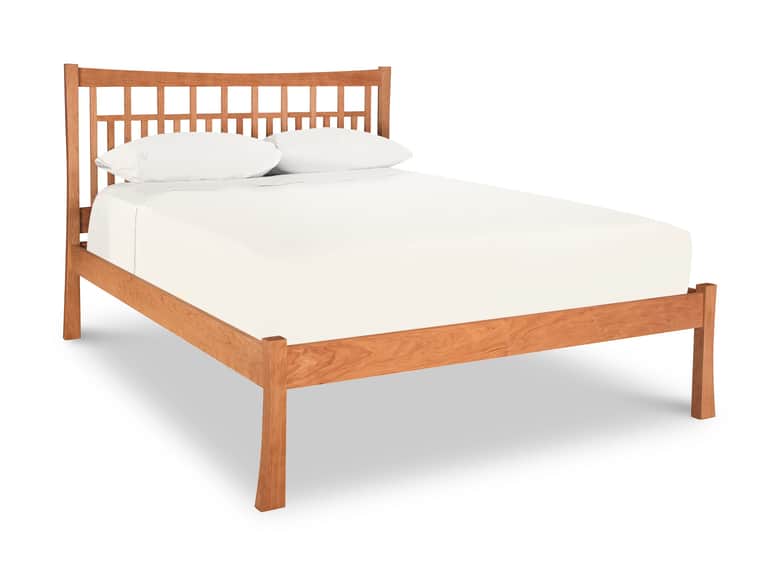
For illustrative purposes, imagine a bed such as the Bennington Bed with High Footboard. It's a solid wood centerpiece that can anchor a mature, configurable space. While not a product endorsement here, it demonstrates how a sturdy, timeless frame can pair with modular, adjustable elements for a cohesive look.
Note: This article remains non-promotional and focuses on design concepts rather than shopping guidance.
Relaxation and fall-asleep readiness hinge on lighting and sound. In a bedroom designed for ergonomic sleep, light levels should taper toward dusk to support melatonin production, while motion-friendly, dimmable fixtures prevent abrupt brightness changes as you move through night-time routines. Acoustic comfort reduces the cognitive load of nighttime disturbances, enabling smoother transitions between sleep stages.
Practical tips include:
A calm palette and tactile textures can quietly reinforce ergonomic comfort. Subtle color contrasts should guide the eye rather than jolt it, helping the brain unwind as you prepare for sleep.
To remain aligned with an information-first approach, this section offers non-brand tips for selecting adjustable elements that fit your needs rather than marketing claims. Focus on functional criteria and independent reviews when possible, and prioritize elements that support healthy sleep posture:
Ergonomics, spinal alignment, neutral posture, sleep hygiene, circadian rhythm, modular furniture, adjustable base.
Ergonomic design has drawn inspiration from thinkers and practitioners across eras. Three influential individuals illustrate how ideas about posture, space, and comfort have evolved, each contributing to a more sleep-centered approach to interior design.
Note: The figures above illustrate historical and contemporary influences on ergonomics. They represent a synthesis of public-domain knowledge and scholarly perspectives rather than a catalog of biographies.
The Bennington Bed with High Footboard is a striking example of a durable, high-commission centerpiece that anchors a room while integrating with adjustable strategies. Available in natural cherry, maple, or walnut with a choice of headboard heights, its solid wood construction offers a timeless silhouette that can pair with modular, ergonomic setups. For a bedroom focusing on alignment and comfort, a sturdy frame like this can serve as a reliable anchor around which adjustable bases and supportive bedding are organized.
Solid wood bed with customizable species and elevated footboard. Headboard heights: 42" and 48".
Brand: Vermont Furniture Designs
Note: Product visuals are representative references for ergonomic furniture integration. For a truly ergonomic setup, pair a solid frame like the Bennington with an adjustable base and a supportive, breathable mattress to optimize alignment across positions.
If you’d like, I can help outline a sample content calendar (e.g., 12 initial articles), a basic site map, and a starter set of article topics tailored to Direction A.