Bedding • Sleep comfort
How to Choose Sheets That Stay Comfortable on an Articulating Bed
An adjustable bed can make it easier to find a comfortable position for reading, relaxing, or sleeping. But the moment the mattress rises, ordinary sheets may start to tug, creep, or come loose. The best fix is rarely a more complicated bedtime routine: it starts with the right fit, considered fabric, and a little attention to how your bedding is made.
Published October 9, 2026
Changing the angle of a bed can feel like a small luxury—until a fitted corner pops free just as you settle in. On an articulating bed, the head or foot of the mattress moves independently, altering the tension across the sheet. A set that behaves perfectly on a flat foundation may pull tight over a raised section, bunch near the middle, or slowly migrate toward the edge.
That doesn’t mean you need specialty bedding with a long list of technical claims. A comfortable setup usually comes down to a few practical details: the mattress’s real depth, the amount of fabric available around its edges, the construction of the elastic, and how much give the material has. Together, these details determine whether sheets stay smooth and secure as the bed moves.
Fabric feel matters, too—but it is only one part of the decision. Breathability, weave, laundering, and the way a sheet interacts with a topper can all affect the experience. The goal is not to find a universal “best” sheet. It is to understand what your bed needs, then choose bedding that works with its movement and with your preferences.
Why sheets shift when a bed changes position
A fitted sheet is designed to hug a mattress while staying under tension. On a flat bed, that tension is distributed fairly evenly. When an articulating base raises the head or foot, the mattress bends into a new shape. Fabric that was lying flat now has to travel around changing angles, and the sheet can be pulled in more than one direction.
If the fitted sheet is shallow or snug, the moving mattress may draw its corners upward. If the sheet is much too large, it can wrinkle or slide instead of holding a stable grip. A topper adds another layer of height and sometimes changes how the surface flexes. Small differences in mattress construction, frame movement, and bedding dimensions can therefore make a noticeable difference.
Start by watching what happens during ordinary use. Raise the head a little, then lower it. Try the foot section if your base allows it. Notice whether one corner loosens, whether fabric gathers in the center, or whether the sheet stays put but feels taut across the surface. Those observations offer a useful clue: the issue may be insufficient depth, weak corner retention, excess fabric, or limited stretch.
Measure the whole sleep surface, not just the mattress label
“Queen” or “king” describes the general mattress size, but it doesn’t tell you how tall your finished sleep surface is. A mattress may be paired with a topper, a quilted protector, or another thin layer. Each one adds height, and that extra depth matters when the sheet has to wrap around the mattress and remain tucked beneath it.
Before shopping, measure the mattress from the bottom edge to the top of the surface. If you use a topper or protective pad, include it in the measurement. It is also helpful to confirm the mattress’s length and width rather than relying on memory—particularly if it is an uncommon size, split configuration, or older model. Write down the measurements so you can compare them with the sheet’s stated dimensions.
A simple measuring checklist
- Measure the mattress length and width.
- Measure its depth from the base of the mattress to the top surface.
- Include any topper and protector that will remain beneath the fitted sheet.
- Check the sheet maker’s listed pocket depth and any maximum mattress-depth guidance.
- Leave enough fabric to wrap under the mattress without stretching the corners to their limit.
“Pocket depth” generally refers to the depth of mattress a fitted sheet is designed to cover. It is not always a guarantee that the sheet will fit every bed at that measurement: elastic placement, seam construction, and fabric give can affect the result. Look for clear sizing information, and when you are close to the stated limit, consider whether a deeper-pocket option would give you a more secure tuck.
At the other extreme, a pocket that is far deeper than necessary can leave spare fabric underneath. That can encourage shifting and make the surface look or feel less tidy. The aim is a little room to wrap around the full stack, not a loose pocket with so much extra material that it loses its hold.
Elastic construction can make or break the fit
Elastic is easy to overlook because it is hidden once the bed is made. Yet it helps determine whether the fitted sheet stays anchored as the mattress articulates. Some sheets have elastic only at the corners; others use elastic around the entire perimeter. There are also designs with reinforced or deeper corner pockets.
Full-perimeter elastic can help distribute tension around the mattress edge, while well-shaped corners can make it easier for the sheet to grip. Neither detail is a guarantee of a perfect fit, since fabric stretch and mattress depth still matter. But construction information can help you compare options when two sheets have otherwise similar dimensions.
Pay attention to how the sheet behaves after it is on the bed. The corners should stretch into place without a struggle, and the elastic should not feel as though it is being pulled to its absolute limit. If you have to wrestle each corner over the mattress, the fit may be too tight, even if the label suggests it should work. A sheet that feels secure while flat can still be under too much strain once the bed moves.
Sheet suspenders or grippers can sometimes help retain a fitted sheet, but they are not the first answer for every setup. They may add tension in particular areas, and the placement has to be compatible with the bed’s moving parts. If you use them, follow the maker’s directions and keep straps clear of the articulating mechanism. First check the sheet size, pocket depth, and mattress layers; those are often the simplest things to correct.
Choose fabric for both feel and flexibility
There is no single material that suits every sleeper. Cotton, linen, and synthetic or blended fabrics differ in texture, weight, airflow, and stretch. The right choice depends on what feels pleasant against your skin and how warm your room tends to be. On an articulating bed, it is also worth considering whether the fabric has enough flexibility to move with the mattress rather than resisting every change in angle.
Cotton and cotton weaves
Cotton is familiar, widely available, and made in a range of weights and weaves. Percale is often described as crisp and matte, while sateen tends to feel smoother and drapier. Those are general tendencies, not rules: fiber quality, yarn, finishing, and construction all influence the final feel. Cotton itself does not necessarily stretch much, so a well-proportioned fitted sheet and reliable elastic remain important.
Linen
Linen has a relaxed texture and is often chosen for its airy, lived-in feel. It can soften with use and laundering, although it may wrinkle more readily than some other fabrics. Because linen fabrics vary in weight and finish, focus on the actual hand feel and care label rather than assuming every linen sheet will behave the same way on a moving mattress.
Stretch blends and knits
Some fitted sheets use a knit or a blend with elastane or another stretch fiber. That added give may help a sheet follow the mattress as the head or foot rises. A stretchy fabric can also feel different from a crisp woven sheet, so consider whether you like its texture before making it the everyday choice. Stretch does not compensate for an incorrect size or inadequate pocket depth, but it can be a useful feature in a setup where the surface changes shape often.
Bamboo-derived fabrics and other blends
Sheets made from bamboo-derived rayon or other blends are often marketed for softness and smoothness. Their feel can be appealing, but product descriptions and care instructions vary. Check the fiber content rather than relying on broad labels, and consider how the fabric’s weight and drape suit your room temperature and preferences. As with any material, a comfortable hand feel is only one factor in how well the fitted sheet stays in place.
Thread count alone won’t answer whether a sheet is right for an adjustable bed. It does not tell you pocket depth, corner construction, stretch, or how the fabric will behave after washing. Instead of chasing a single number, weigh the whole set of details: fiber, weave, finish, fit, and care.
Think about toppers, protectors, and mattress compatibility
Layering can make a bed more comfortable, but each addition changes the dimensions the fitted sheet must cover. A thick topper may create a deeper, softer surface that needs a deeper pocket. A protector may add only a little height, but it can still affect how easily the fitted sheet grips. When you change a layer, check the fit again instead of assuming the same sheet will perform exactly as before.
It also helps to consider how your mattress is designed to flex. Not every mattress is intended for every adjustable base, and the mattress maker’s guidance should take priority. A sheet cannot make an incompatible mattress suitable for articulation. If you are assembling or changing a sleep system, confirm that the mattress and base are intended to work together.
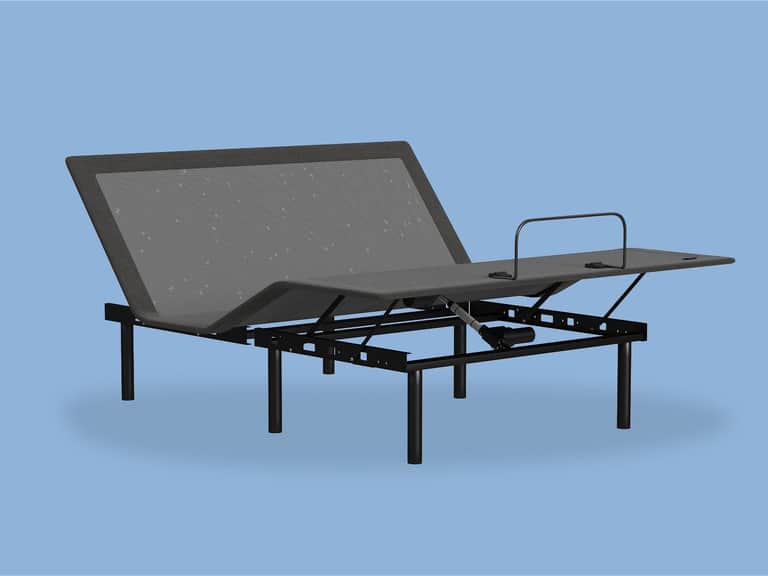
An adjustable foundation with head and foot movement is one example of the kind of setup that makes fit worth checking carefully. The Adjustable Base, for instance, is described as offering both head and foot adjustments. Regardless of the specific base, measure the mattress and all bedding layers you plan to use, and follow the base and mattress instructions for operation and compatibility.
Care can help preserve softness and fit
Even a well-fitting sheet can change over time. Hot water, high dryer heat, harsh washing, or overloading a machine can affect fabric texture and elastic. Follow the care label for the particular set you own; fiber and finishing vary, so one universal washing rule will not suit every sheet.
When the care instructions allow, washing sheets with similar items helps prevent bulky pieces from tangling around them. Use the recommended amount of detergent, and avoid assuming that more product means a better clean. If the label advises gentle drying or a lower temperature, take that advice seriously. Excessive heat may contribute to wear or shrinkage, which can make a once-comfortable fitted sheet harder to stretch over the mattress.
It is also useful to check the elastic periodically. If it has become loose, twisted, or uneven, the sheet may no longer stay anchored during movement. A sheet that has lost its shape can bunch even when the original pocket depth was right. Rotating between sets gives each one time to be laundered and can reduce the constant wear placed on a single fitted sheet.
A practical way to test your sheet before bedtime
Rather than waiting until the middle of the night to discover a loose corner, test the setup when you make the bed. Smooth the sheet across the mattress, check that each corner is seated, and raise the head and foot in the positions you use most. Then lower the bed again and look for new wrinkles, lifted corners, or areas that have become unusually taut.
Try the test with your usual topper and protector in place. A sheet may behave differently when the bed is bare than when it carries the full bedding stack. If one corner repeatedly slips, note which one and when it happens. That may reveal whether the issue is tied to the sheet’s fit or to the way the mattress bends at a particular angle.
Quick fit check
- The fitted sheet covers the full mattress and any added layers.
- Each corner sits securely without extreme stretching.
- The surface remains reasonably smooth when the head and foot sections move.
- No fabric is caught in the bed’s moving joints or mechanisms.
- The sheet still feels comfortable when you return the bed to a flat position.
A little movement is normal. Sheets are fabric, and an articulating bed changes shape; the aim is a stable, comfortable fit, not a surface that never shifts by a fraction. If the sheet pulls hard or repeatedly comes loose, go back to the measurements and compare them with the product’s sizing guidance.
Common sheet-shopping mistakes to avoid
Buying by mattress size alone. A queen fitted sheet can still be too shallow for a queen mattress with a tall topper. Confirm both the footprint and the depth of the full sleep surface.
Assuming stretch means a universal fit. Stretch can help fabric move, but it cannot create the missing depth needed to wrap around a thick mattress stack. Fit dimensions first, then treat stretch as a helpful feature.
Ignoring the way the bed is used. Someone who raises the head for reading every evening may notice different sheet behavior from someone who uses a flat position most of the time. Test the angles you actually use rather than relying on a single flat-bed fitting.
Choosing only by softness. A sheet can feel lovely in your hands and still be awkward on your bed. Consider feel alongside pocket depth, elastic construction, fabric flexibility, and wash instructions.
Forgetting care after the first wash. Laundry can influence softness and fit. Read the label before washing, and check whether the sheet still sits correctly once it is clean and dry.
The comfortable choice is the one that works with your routine
Good sheets should make the bed feel inviting, not turn every adjustment into a tug-of-war. Start with accurate measurements, include every layer beneath the fitted sheet, and look for enough pocket depth to wrap securely without excess fabric. Consider elastic coverage and stretch as practical construction details, then choose a material and weave that feel right in your room.
Most importantly, test the bedding while the bed moves. A quick check in your everyday positions can reveal problems that are invisible when the mattress is flat. With a sheet that fits the complete mattress stack and care that respects its fabric, an articulating bed can change position without making comfort feel like another thing to manage.
Frequently asked questions
Do I need special sheets for an adjustable bed?
Not necessarily. Many standard fitted sheets can work if their dimensions, pocket depth, and elastic construction suit the mattress and any added layers. A flexible fabric may be helpful, but start by confirming the fit.
How do I know what pocket depth to buy?
Measure the mattress from bottom to top, including any topper or protector beneath the fitted sheet. Compare that total with the sheet maker’s pocket-depth guidance, and allow enough fabric to tuck under the mattress securely.
Why does my fitted sheet come off when the head section is raised?
The movement may be pulling the fabric tighter than the sheet can comfortably accommodate. Check whether the pocket is deep enough, the corners are being stretched too far, or the sheet has lost elastic strength. Also ensure the mattress is compatible with the adjustable base.
Is a stretchy sheet always the best option?
No. Stretch can help a sheet follow a changing mattress shape, but comfort is personal, and adequate depth and secure corner construction still matter. Choose the combination that fits your bed and feels pleasant to sleep on.