Foam mattresses are sleep surfaces made with cushioning foam layers designed to respond to body weight and movement. Their construction can provide close contouring and help distribute pressure across contact points. Understanding foam density, firmness, and layer arrangement can help explain how a mattress may feel and function for different sleep preferences.
Foam type influences comfort and support. Memory foam typically contours gradually, while latex foam is often more resilient and responsive; some mattresses combine materials to balance these characteristics. Layer thickness and firmness also affect how deeply a sleeper settles, how easily they move, and how the surface feels across different sleeping positions.
When comparing foam mattresses, consider sleeping position, preferred firmness, body support, and sensitivity to motion transfer. A mattress that cushions shoulders and hips while maintaining comfortable alignment can suit many sleepers, though individual needs vary. Bed frame compatibility and ventilation are also practical factors, especially when pairing a mattress with an adjustable base.
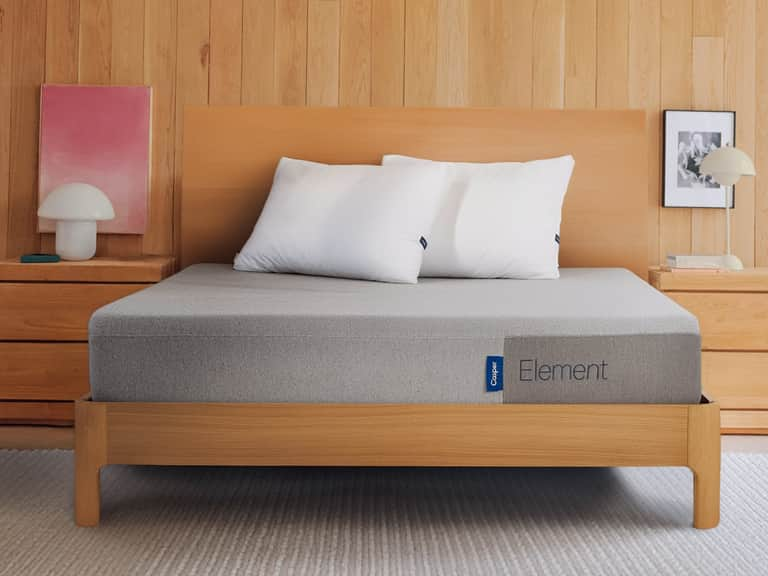
The Element Mattress is a foam mattress in this category. Its relevance is its cushioned foam construction, which is intended to provide a supportive, contouring sleep surface. As with any mattress, comfort depends on personal preference and body needs; reviewing its materials, firmness, and construction details can clarify its functional characteristics.
Foam mattresses are one part of a broader bedding system that may include pillows and sheets selected for comfort, fit, and temperature preferences. People comparing foam with latex or organic mattresses can assess material composition, feel, and care requirements. These considerations help connect mattress characteristics with everyday sleep habits and bedroom setup.
 Mattresses